How to Extend Your Car Battery Lifespan
Car batteries are essential components that provide the electrical power needed to start the engine and support various electronic systems. Over time, batteries naturally degrade, but their lifespan can be influenced by several factors, including driving habits, climate, and maintenance practices. Understanding how to properly care for a car battery can help maximize its service life and reduce unexpected failures. This article outlines practical maintenance strategies that focus on routine inspection, proper usage, and awareness of warning signs.
Battery maintenance is not a complex task, but it requires consistency and attention to detail. By incorporating a few simple habits into regular vehicle care, drivers can potentially avoid premature battery replacement. The information provided here is based on general automotive guidelines and aims to offer a neutral, process-oriented approach. It is important to note that individual results may vary depending on vehicle type, battery condition, and environmental factors.
Understanding Battery Degradation
Car batteries are electrochemical devices that store and release energy through chemical reactions. Over time, these reactions can lead to the buildup of sulfate crystals on the battery plates, a process known as sulfation. This natural phenomenon reduces the battery’s ability to hold a charge and is a primary cause of battery aging. Additionally, extreme temperatures, both hot and cold, can accelerate chemical processes and increase the rate of degradation.
Another factor that influences battery life is the frequency and duration of use. Short trips that do not allow the alternator to fully recharge the battery can lead to chronic undercharging. Conversely, infrequent use can cause the battery to self-discharge, leading to a state of deep discharge if left unchecked. Understanding these basic principles helps in developing a maintenance routine that addresses potential issues before they escalate.
Regular Inspection and Cleaning
Regular inspection of the battery and its connections is a fundamental practice. Corrosion on the terminals and cables can impede the flow of electricity, making it harder for the battery to deliver power. This corrosion often appears as a white or bluish powdery substance, and it can be aggravated by moisture and road salts. Cleaning the terminals periodically with a mixture of baking soda and water can help neutralize acid and remove corrosion buildup.
When cleaning, it is important to disconnect the battery cables starting with the negative terminal to avoid accidental short circuits. After cleaning, rinsing with plain water and drying thoroughly before reconnecting is recommended. Ensuring that the cables are tightly secured minimizes resistance and maintains a proper electrical connection. Additionally, checking the battery case for cracks, bulges, or leaks can provide early signs of physical damage that might require professional evaluation.
Avoiding Deep Discharge
Deep discharge occurs when a battery is drained to a very low state of charge, which can happen if lights or accessories are left on while the engine is off. Such events stress the battery and can significantly reduce its lifespan. To avoid deep discharges, it is advisable to turn off all electrical loads before exiting the vehicle and to periodically check that systems like trunk lights are not staying on inadvertently.
For vehicles that are not driven often, using a battery maintainer or trickle charger can help keep the battery in a healthy state of charge. These devices supply a low, steady current to offset self-discharge, preventing the battery from dropping to critical levels. If a battery has been deeply discharged, recharging it promptly with a suitable charger can help restore some capacity, but the damage may be irreversible depending on the severity and duration of the discharge.
Testing and Monitoring
Periodic testing of the battery’s voltage and overall health can provide valuable insights into its condition. A simple voltmeter can be used to check the resting voltage, which should typically be around 12.6 volts for a fully charged battery. A reading below 12.4 volts suggests a partial discharge, while lower values indicate a more serious issue. However, voltage alone is not a complete indicator, as a battery’s capacity under load also matters.
Many auto parts stores offer free battery testing services that assess cranking amps and charging system performance. Such tests can reveal if the battery is holding a charge effectively and if the alternator is functioning properly. Regular testing, especially before extreme seasons, can help identify potential failures early. It is also beneficial to have the charging system inspected to ensure it is not overcharging or undercharging, as both conditions can shorten battery life.
Recognizing Signs of Failure
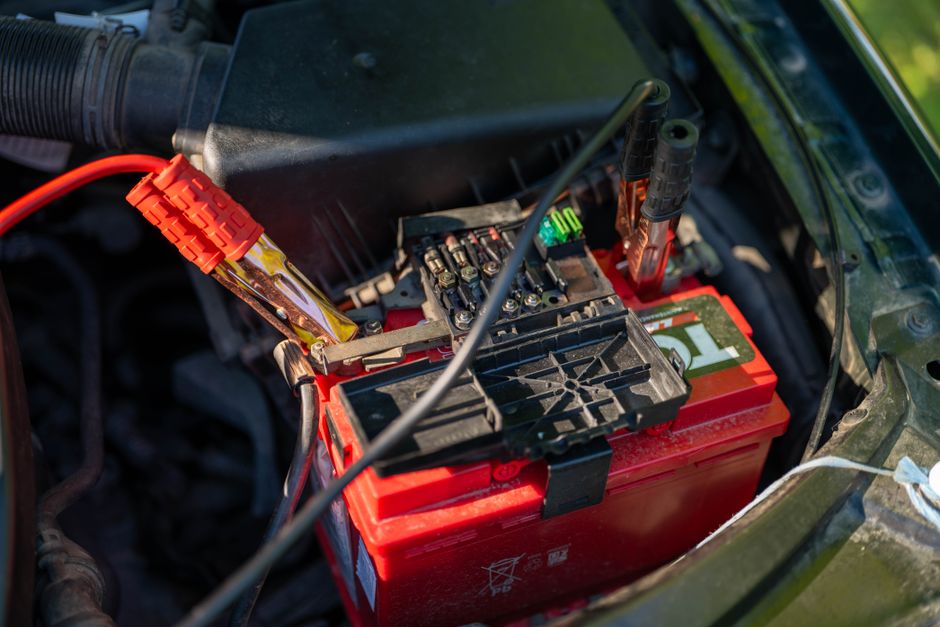
Being alert to early signs of battery trouble can prevent unexpected breakdowns. Slow engine cranking, dim headlights, and the need for frequent jump-starts are common indicators that the battery may be losing its ability to deliver power. Additionally, the battery warning light on the dashboard can signal issues with the charging system, though it may not always directly indicate battery failure.
Another sign is a swollen or bloated battery case, which often results from excessive heat or overcharging. In such cases, the battery may have internal damage and should be inspected by a professional. If any of these symptoms are noticed, it is advisable to have the battery tested and, if necessary, replaced. Ignoring these signs can lead to complete battery failure and leave the vehicle inoperable.
Maintenance Best Practices
Incorporating battery care into routine vehicle maintenance can contribute to longer battery life. This includes ensuring the battery is securely mounted to avoid vibration damage, which can shake internal components and cause short circuits. Vibration is particularly relevant for vehicles driven on rough roads or off-road conditions. Checking the tightness of the mounting bracket periodically is a simple preventive measure.
Additionally, minimizing the use of high-power accessories when the engine is off can reduce the drain on the battery. Features like entertainment systems, heated seats, and power outlets should be used primarily while the engine is running. When parking for extended periods, it is wise to unplug any devices that may draw power, such as phone chargers or GPS units. These habits, combined with regular testing and cleaning, form a comprehensive approach to battery maintenance.
Battery longevity is not guaranteed by any single practice; it depends on consistent maintenance and various operating conditions. Regular checks and mindful usage are key components of a reliable strategy.
In summary, extending the lifespan of a car battery requires a proactive approach that includes understanding degradation factors, regular cleaning, avoiding deep discharges, and monitoring performance. By implementing these maintenance practices, drivers can potentially increase the reliability of their vehicle’s electrical system. While no method can ensure indefinite battery life, these steps can help reduce the likelihood of premature failure and contribute to overall vehicle preparedness.