Manual vs Automatic: Which Transmission Should You Choose?
Choosing between a manual and an automatic transmission is a significant decision when purchasing a vehicle. Each type offers distinct characteristics that can influence your driving experience, budget, and long-term satisfaction. This article provides a detailed comparison of manual and automatic transmissions, focusing on cost, fuel economy, maintenance, and driving experience. By understanding these factors, you can make an informed choice that aligns with your personal needs and preferences.
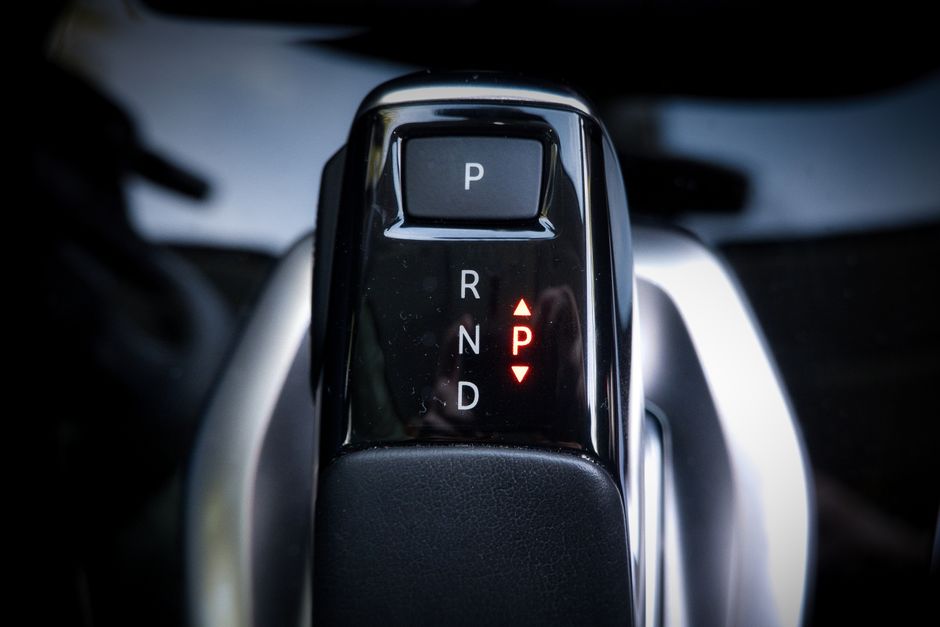
Manual transmissions, also known as stick shifts, require the driver to manually shift gears using a clutch pedal and gear stick. Automatic transmissions, on the other hand, shift gears automatically without driver intervention. Over the years, automatic technology has advanced significantly, offering various subtypes such as traditional torque-converter automatics, continuously variable transmissions (CVTs), and dual-clutch transmissions (DCTs). This article aims to present a balanced view, helping you evaluate which transmission type suits your lifestyle.
Cost Considerations
When comparing initial purchase price, manual transmissions generally have a lower upfront cost than automatics. This is because the manufacturing process for a manual gearbox is less complex, and automatics often come with additional features or packages that increase the vehicle’s price. However, the price difference can vary widely depending on the vehicle model and manufacturer. It is essential to check specific model pricing, as some automatics may be standard or offered at a similar price.
Beyond the initial purchase price, resale value is an important consideration. Historically, automatics tend to hold their value better in the used car market, especially in regions where automatics are more popular. Conversely, manuals may depreciate faster if there is a smaller pool of buyers. If you plan to sell the vehicle in the future, the demand for automatic transmissions might make them a more financially prudent choice.
Additionally, insurance costs can differ. Some insurance companies may charge slightly higher premiums for manual vehicles due to statistics that show higher accident rates among less experienced manual drivers, though this is not a universal rule. It is advisable to obtain insurance quotes for both versions to understand the cost implications.
Ultimately, the total cost of ownership involves more than just the purchase price. Fuel economy, maintenance, and potential repairs over the vehicle’s lifespan significantly impact your budget. The following sections delve into these aspects.
Fuel Economy and Efficiency
Fuel economy is a critical factor for many buyers. In the past, manual transmissions often achieved better fuel efficiency because they allowed drivers to control engine RPM more precisely. However, modern automatic transmissions have become highly efficient, and in many cases, they now match or even exceed the fuel economy of their manual counterparts. Advances in gear ratios, electronic control, and the widespread adoption of CVTs and DCTs have reduced the efficiency gap.
The driving environment also plays a role. In stop-and-go urban traffic, an automatic transmission can potentially achieve better fuel economy because it can optimize gear shifts for efficiency without driver input. In contrast, a skilled manual driver might hypermile, but most drivers may see slightly lower fuel economy in heavy traffic due to inefficient shifting. On highway driving, both transmissions can achieve similar fuel economy, especially with modern automatics that have taller top gears.
It is important to note that fuel economy ratings are determined by standardized tests, and real-world results vary based on driving style, vehicle maintenance, and road conditions. Therefore, when comparing vehicles, review the EPA fuel economy estimates for each transmission option to get a baseline, but understand that your personal results may differ.
For those who prioritize fuel savings, considering a hybrid or electric vehicle might be an alternative, as they offer superior efficiency regardless of transmission type.
Maintenance and Repair Costs
Maintenance requirements differ between manual and automatic transmissions. Manual transmissions are generally simpler in design, with fewer moving parts. Consequently, routine maintenance such as clutch replacement and gearbox oil changes may be less expensive than servicing an automatic transmission. However, clutches in manual vehicles wear out over time, typically between 50,000 and 100,000 miles, depending on driving habits. Replacing a clutch can be a significant expense, though it is often less costly than a major automatic transmission repair.
Automatic transmissions are more complex and can be more expensive to maintain and repair. Regular fluid changes are essential to prolong the life of an automatic transmission, and these services may cost more than manual gearbox fluid changes. In the event of a major failure, rebuilding or replacing an automatic transmission can be one of the most expensive repairs a car owner can face. On the other hand, automatics generally require less driver interaction, reducing the risk of clutch-related wear and tear.
Dual-clutch transmissions (DCTs) and CVTs have their own specific maintenance needs and potential issues. Some DCTs have experienced reliability concerns, while CVTs have been criticized for their driving feel but are cheaper to rebuild in some cases. It is crucial to research the specific transmission type in the vehicle you are considering, as reliability and repair costs can vary significantly.
Ultimately, the total cost of maintenance depends on the vehicle model, driving habits, and adherence to service schedules. Regular maintenance, regardless of transmission type, is essential to avoiding costly repairs.
Driving Experience and Control
The driving experience is perhaps the most subjective aspect of the manual versus automatic debate. Manual transmissions offer a level of engagement and control that many driving enthusiasts find appealing. The act of shifting gears can make driving more involving and allow the driver to extract performance when needed. For those who enjoy being in full control of the vehicle’s behavior, a manual can provide a more rewarding experience.
In contrast, automatic transmissions provide a more relaxed and convenient driving experience. In heavy traffic, an automatic eliminates the need to constantly engage the clutch, reducing driver fatigue. Modern automatics also offer features like paddle shifters or sport modes that allow drivers to override automatic shifting when they desire a more hands-on experience. This hybrid approach can appeal to those who want some level of control without the constant effort of a manual.
Another aspect of driving experience is acceleration and performance. Historically, manual transmissions were often faster in terms of 0-60 mph times due to quicker shifts and less power loss. However, modern automatics, especially DCTs, can shift faster than a human driver and often achieve better acceleration times. As a result, performance-oriented vehicles increasingly come with automatics only, as manufacturers optimize them for speed and efficiency.
When considering the overall driving experience, it is essential to test drive both types in similar conditions to see which aligns with your preferences. Pay attention to how each transmission responds to throttle input, engine braking, and downhill driving. Your comfort and satisfaction behind the wheel should be a primary factor in your decision.
Long-Term Ownership and Lifestyle Fit
Your lifestyle and intended vehicle usage play a crucial role in deciding between manual and automatic. If you frequently drive in congested urban areas, an automatic will likely be more convenient, reducing the physical effort required. On the other hand, if you enjoy driving on winding roads or have a hobby that involves towing or hauling, a manual might offer better control, especially in off-road or towing scenarios.
Consider who else will drive the vehicle. If multiple family members will use it, some may not know how to drive a manual, limiting its practicality. Learning to drive a manual is a skill that takes time, and not everyone is willing to learn. In such cases, an automatic is more inclusive.
For those who plan to keep a vehicle for a long time, reliability and repair costs become paramount. While both types can last with proper maintenance, automatics may have a higher probability of complex failures, especially as they age. Manual transmissions, with their simpler design, may be easier and cheaper to repair, but clutches will need periodic replacement.
Additionally, the market trend shows a decline in manual transmission availability. Many manufacturers are discontinuing manual options in various models, especially in SUVs and luxury vehicles. This scarcity may make it harder to find a manual in the future, potentially affecting resale value but also offering exclusivity to enthusiasts.
Ultimately, the choice between manual and automatic hinges on your personal priorities: if you value engagement and control, a manual may be the right choice; if you prioritize convenience and ease of use, an automatic is likely more suitable. Assess your daily driving patterns, long-term plans, and comfort with each type before making a decision.
When selecting a transmission, it is essential to consider not only the immediate driving experience but also the total cost of ownership, including fuel, maintenance, and resale value. There is no universally superior option; the best choice depends on your individual needs and circumstances.